



 by web@dmin
 5 March 2026
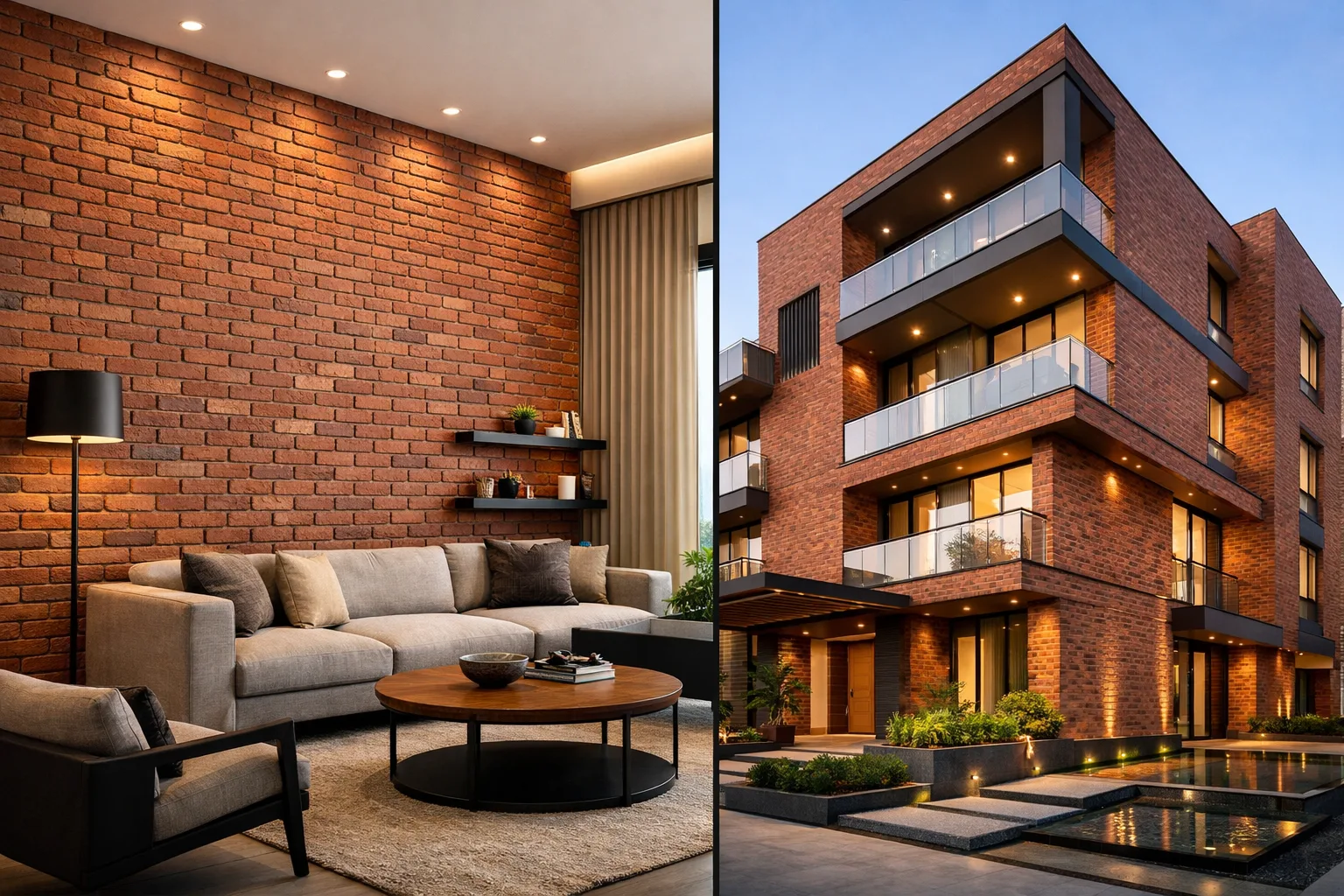
Modern buildings require materials that combine strength, aesthetics, and long-term durability. Traditional wall finishes often struggle with weather exposure, maintenance costs, and limited design flexibility. This is why many architects and builders now prefer cladding bricks for both interior and exterior walls.
In this guide, you will learn why cladding bricks are becoming a popular architectural choice across India. The article explains their benefits, applications, and technical advantages, along with how they enhance the overall appearance and protection of buildings.
You will also explore where cladding bricks work best and what to consider before choosing them.
What Are Cladding Bricks?
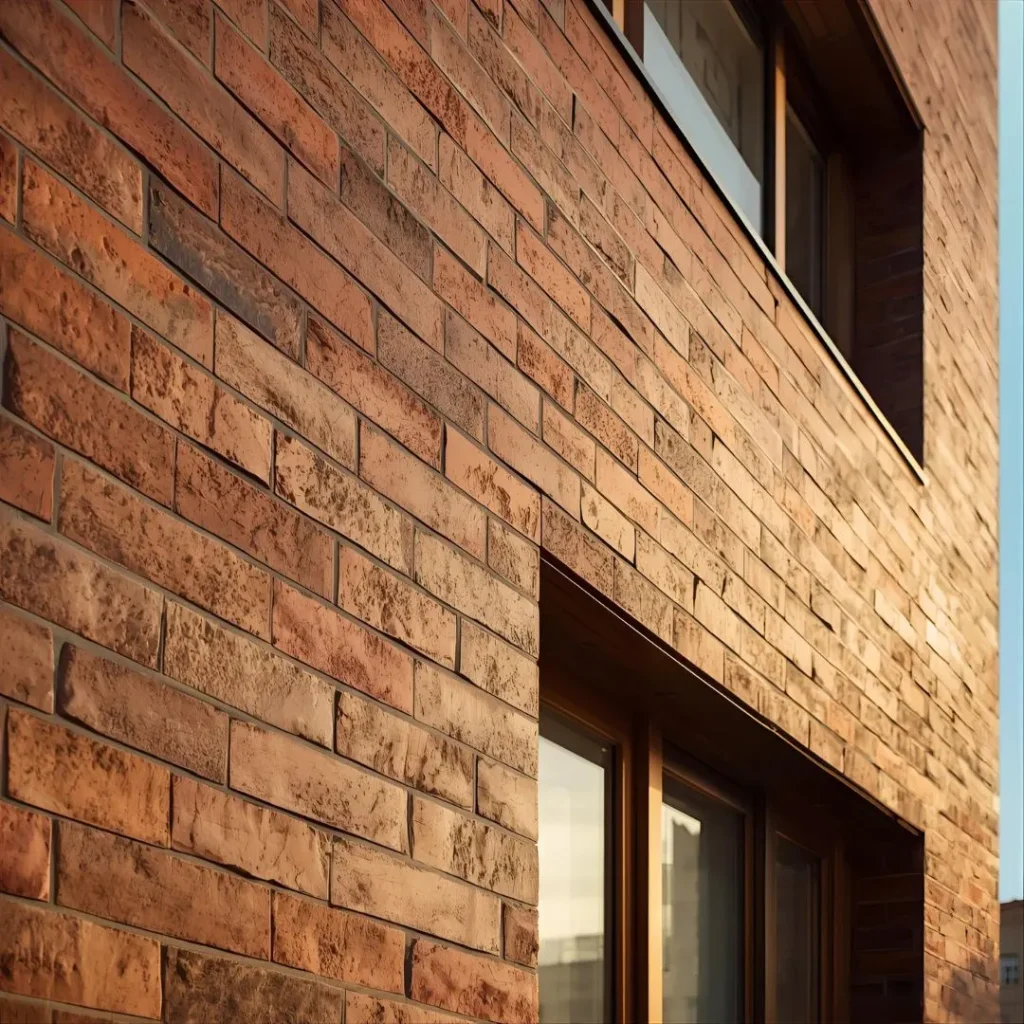
Cladding bricks are thin brick units applied to the surface of a wall to improve appearance, insulation, and durability. Unlike traditional bricks used for structural construction, cladding bricks function primarily as a protective and decorative layer.
They are commonly manufactured using:
Because of their lighter weight and precise sizing, they are widely used in modern architectural design.
Key Characteristics of Cladding Bricks
Cladding bricks offer several practical features:
Lightweight construction
Natural textured finish
High weather resistance
Low maintenance requirements
Easy installation
These characteristics make them suitable for both residential and commercial buildings.
Benefits of Using Cladding Bricks for Exterior Walls
Exterior walls face constant exposure to sunlight, rain, and environmental pollution. Cladding bricks provide a protective barrier that improves the longevity of the structure.
Weather Protection
Exterior cladding bricks help protect buildings from:
Intense heat and UV exposure
Heavy rainfall and moisture
Dust and environmental pollution
This protective layer reduces long-term structural damage.
Long-Term Durability
Cladding bricks are designed to maintain their strength and color over time. Compared with painted surfaces, they require significantly less maintenance.
Benefits include:
Long lifespan
Minimal fading
Reduced repair costs
Enhanced Building Appearance
One of the major advantages of brick cladding is its visual impact. Exterior brick cladding creates a premium architectural look while maintaining a natural finish.
Design possibilities include:
Modern façade patterns
Rustic brick textures
Contemporary linear layouts
Advantages of Cladding Bricks for Interior Walls
Cladding bricks are also widely used in interior spaces to create visually appealing environments.
Decorative Feature Walls
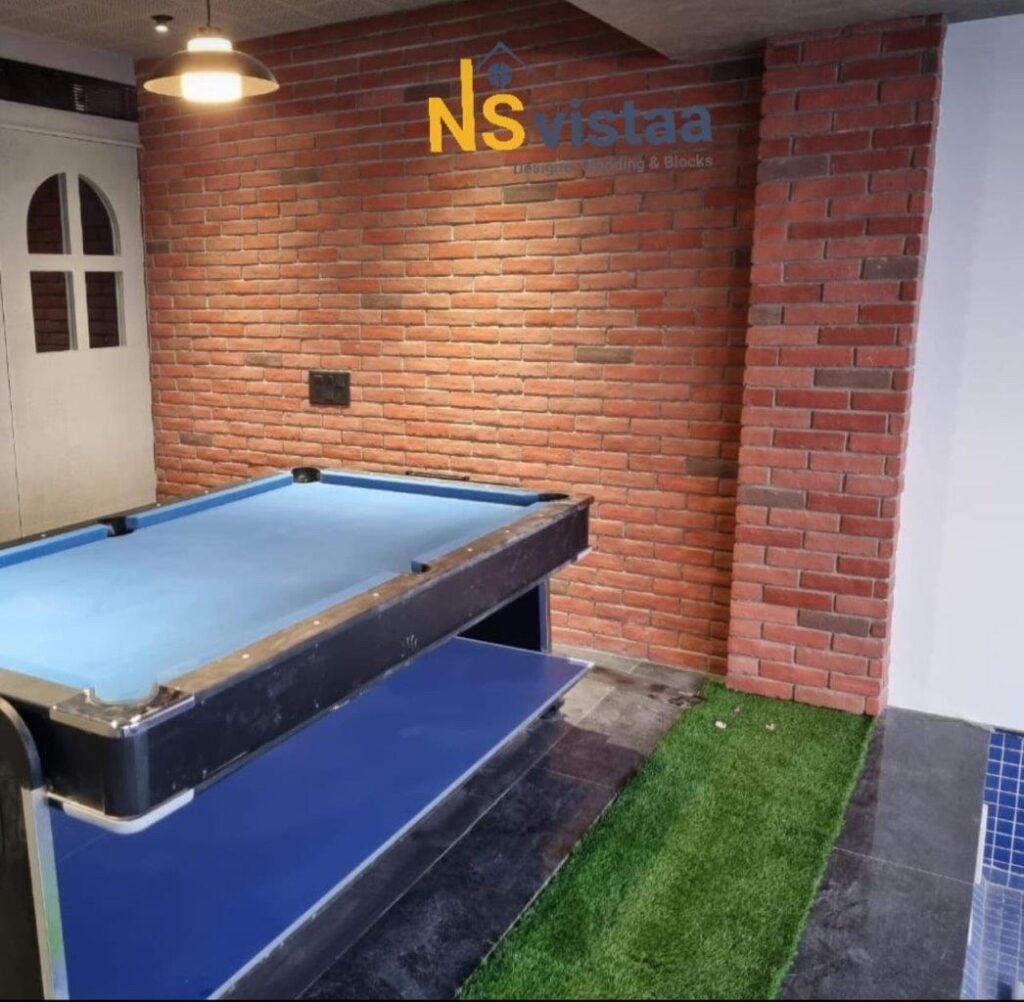
Interior cladding bricks are often used for:
Living room feature walls
TV unit backdrops
Dining area highlights
Office reception walls
They add texture and character without overwhelming the space.
Warm and Natural Aesthetic
Brick textures provide a natural look that complements many design styles, including:
Industrial interiors
Modern minimalist spaces
Rustic and farmhouse themes
This makes cladding bricks a versatile interior design element.
Improved Wall Durability
Cladding bricks also help protect interior walls from everyday wear and tear.
Benefits include:
Scratch resistance
Surface durability
Reduced maintenance needs
Why Cladding Bricks Are Ideal for Indian Climate Conditions
India experiences diverse climate conditions, including high temperatures, monsoon rains, and humidity. Cladding bricks perform well across these environments.
Heat Resistance
Brick materials naturally resist heat, helping maintain cooler interior temperatures during hot seasons.
Moisture Protection
High-quality cladding bricks prevent excessive moisture absorption, reducing the risk of wall damage.
Applications of Cladding Bricks in Modern Architecture
Cladding bricks are used in a wide variety of architectural applications.
Structural Compatibility
Cladding bricks can be installed on various surfaces including:
Concrete walls
Brick masonry
Cement plaster walls
This flexibility makes them suitable for both new constructions and renovation projects.
Residential Buildings
Common uses Residential Building include:
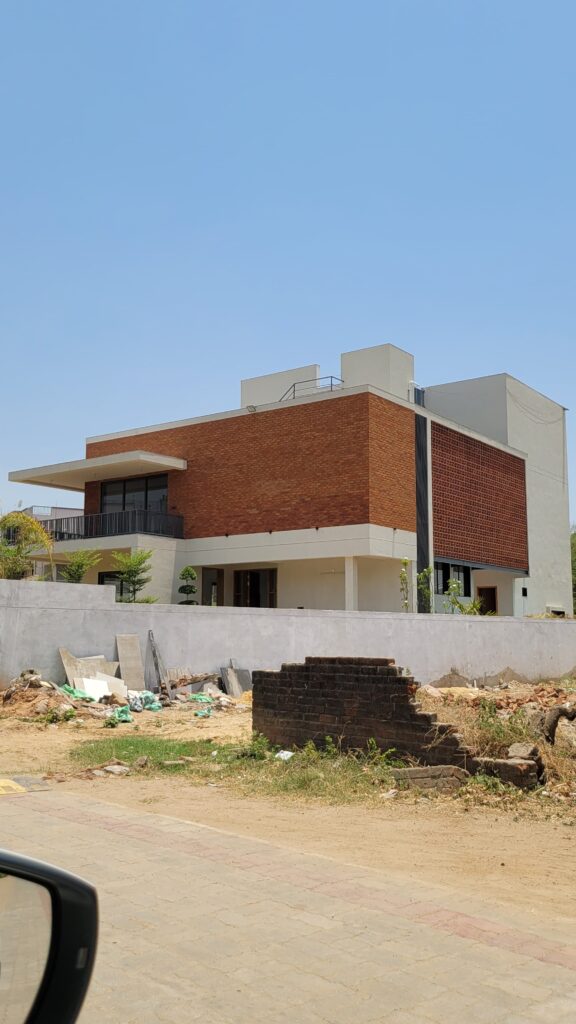
Exterior façades
Boundary walls
Balcony walls
Garden walls
These applications enhance the overall visual appeal of homes.
Commercial Buildings
Cladding bricks are frequently used in:
Office buildings
Retail stores
Hotels and resorts
Restaurants and cafés
They create a professional and distinctive appearance.
Choosing the Right Cladding Bricks Supplier
Selecting a reliable supplier is essential to ensure product quality and long-term performance.
Manufacturers like NS Vistaa focus on producing high-quality cladding bricks suitable for both residential and commercial projects.
Located in Gujarat, suppliers in this region benefit from strong manufacturing infrastructure and access to quality raw materials.
What to Look for in a Supplier
When choosing a supplier, evaluate:
Product consistency
Technical specifications
Manufacturing capacity
Delivery reliability
A trusted supplier ensures smooth project execution.
Conclusion
Cladding bricks have become an essential element in modern architecture because they combine durability, protection, and visual appeal. Whether used for exterior façades or interior feature walls, they enhance the appearance and performance of buildings.
For projects in India, cladding bricks provide a practical solution that withstands climate conditions while offering timeless architectural style. Choosing high-quality products and a reliable supplier ensures long-lasting results.

FAQs
Yes. Cladding bricks are designed to work effectively in both interior and exterior environments.
They require very little maintenance compared to painted or plastered surfaces.
Yes. They can be installed on plastered walls, concrete surfaces, and masonry structures.
High-quality cladding bricks are resistant to heat, moisture, and environmental exposure.
They are often used for feature walls, living rooms, TV unit backdrops, and decorative partitions.