



 by web@dmin
 14 August 2026
Interior Inspiration
Interior Feature Walls: Using Cladding Bricks Indoors
Where a brick feature wall works best indoors, and what to check before installing one.
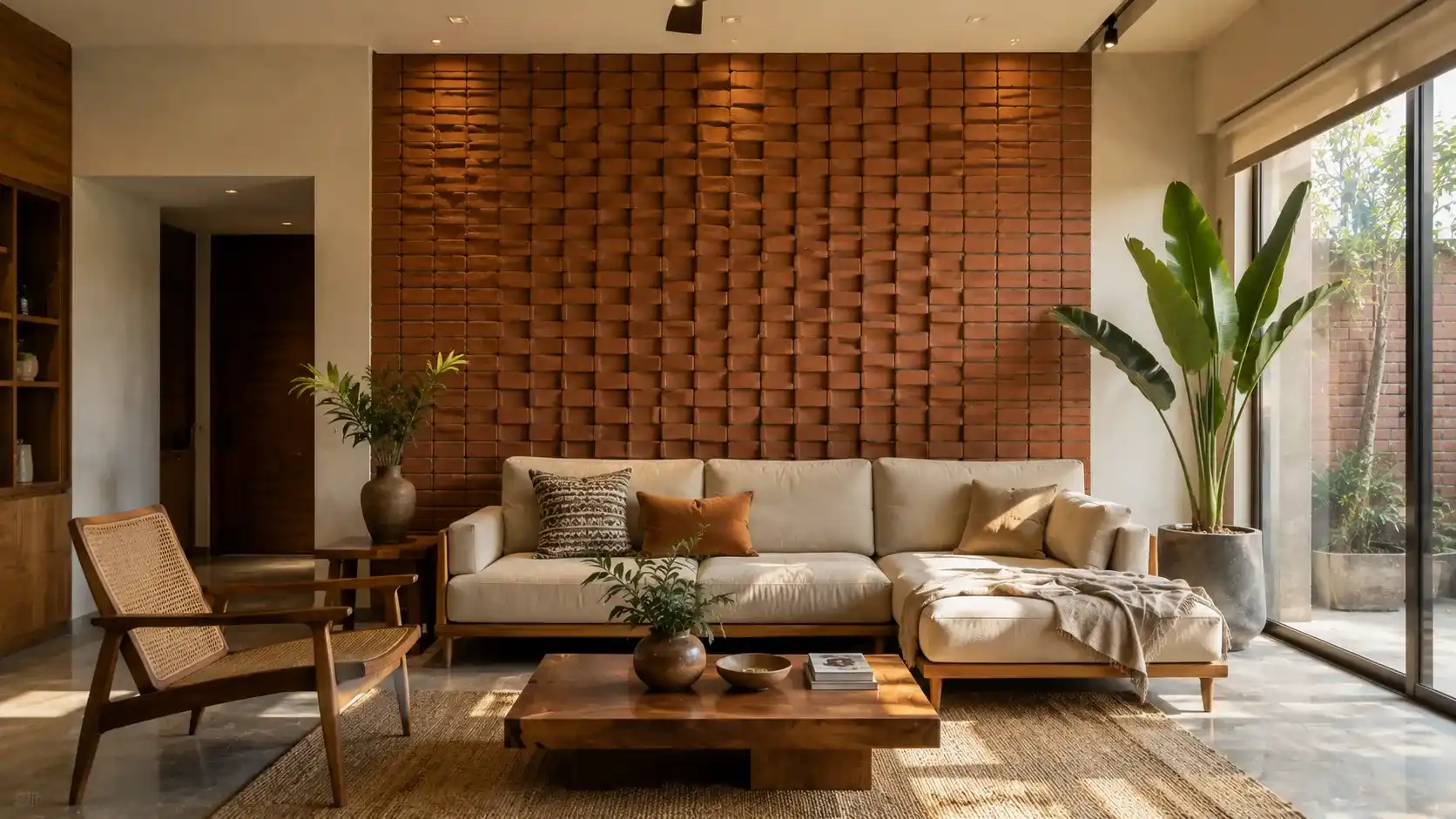
A brick feature wall brings warmth and texture to an interior in a way that flat paint or wallpaper struggles to match, without the weight and structural implications of actual masonry. Since interior cladding brick is a thin veneer, it can be applied to drywall or plastered walls in most homes without any structural reinforcement, making it one of the more accessible ways to add real material texture indoors.
This guide covers where a feature wall works best, weight considerations for drywall, and how to choose a brick style that suits the room.
Is Interior Cladding Brick Heavy for Drywall?
Interior-grade cladding brick is manufactured as a thin veneer, typically much lighter than a comparable area of structural brick, which means most drywall assemblies can support it with proper adhesive and anchoring, though it’s still worth confirming weight capacity with your installer for larger wall areas. Standard plastered masonry walls have even more margin for this kind of lightweight application.
The interior cladding brick range is specifically engineered for this kind of application, with weight and thickness optimised for non-structural indoor walls.
Which Room Suits a Brick Feature Wall Best?
Living Room
A brick wall behind the sofa or TV unit is the most common placement, anchoring the room’s main seating area with texture and warmth.
Bedroom Headboard Wall
Brick behind the bed adds a cosy, textured backdrop, especially effective paired with warm-toned lighting and natural fabrics.
Home Office or Study
A brick accent wall behind a desk gives a home office visual character without competing with a video call background.
Entryway or Foyer
A smaller brick section near the entrance creates a strong first impression without cladding an entire large wall.
Choosing a Brick Style for the Right Mood
A uniform, cleaner-toned brick like natural brick suits a more contemporary or minimalist room, while rustic-finish brick with visible texture variation leans toward an industrial or warmly aged aesthetic. It’s worth pulling a physical sample against the room’s existing lighting and furniture before committing, since brick tone can read quite differently under warm artificial light than in daylight photos.
For homes that also use cladding brick on the exterior, choosing a complementary interior tone, though not necessarily identical, helps the material feel intentional rather than mismatched between indoor and outdoor applications.
Installation Considerations for Interior Walls
- Confirm the wall surface is clean, dry, and structurally sound before installation begins.
- Interior sealant grades differ from exterior ones, ask specifically for the correct indoor product.
- Plan electrical points and wall-mounted fixtures before installing brick, since drilling into finished brick cladding is more disruptive than into plain drywall.
- Consider a partial wall or single accent panel rather than a full room if you want to test the look before committing further.
Combining Interior and Exterior Brick Applications
Some homes carry brick cladding from the exterior facade through to an interior feature wall for visual continuity, an approach covered in more depth in interior-exterior cladding brick applications. Browsing recent projects is a useful way to see how different homes have handled this transition between outdoor and indoor brick use.
Frequently Asked Questions
Is interior cladding brick heavy for drywall?
Interior-grade cladding brick is a lightweight veneer that most drywall assemblies can support with proper adhesive and anchoring, though it’s worth confirming for larger wall areas.
Which room suits a brick feature wall best?
Living rooms behind the sofa or TV unit and bedrooms behind the headboard are the most common and effective placements.
Can I install brick cladding on just one accent wall?
Yes, a single accent wall or partial panel is a common and effective approach rather than cladding an entire room.
Does interior brick cladding need the same sealant as exterior?
No, interior sealant grades differ from exterior weather-resistant ones, so it’s important to specify the correct indoor product.
Should I plan electrical points before or after installing brick cladding?
Before, since drilling into finished brick cladding is more disruptive than working with plain drywall.
Does brick tone look different under artificial light than in photos?
Yes, it’s worth pulling a physical sample into the actual room lighting before committing, since tone can read differently than in daylight images.
Can rustic and natural brick finishes be mixed in one home?
They can, though it’s generally more cohesive to choose one finish family per zone of the home rather than mixing them in adjoining rooms.
Is interior brick cladding removable later?
It can be removed, though it involves some wall repair afterward, so it’s worth treating as a longer-term design decision.
Can exterior and interior brick tones be matched across a home?
Yes, choosing a complementary, not necessarily identical, tone between exterior and interior brick creates visual continuity across the home.
Bring Texture Indoors With a Brick Feature Wall
A well-placed brick feature wall adds warmth and character without any structural changes to your home.
Explore interior cladding brick options or get in touch to discuss your space.