



 by web@dmin
 30 August 2026
Installation Guide
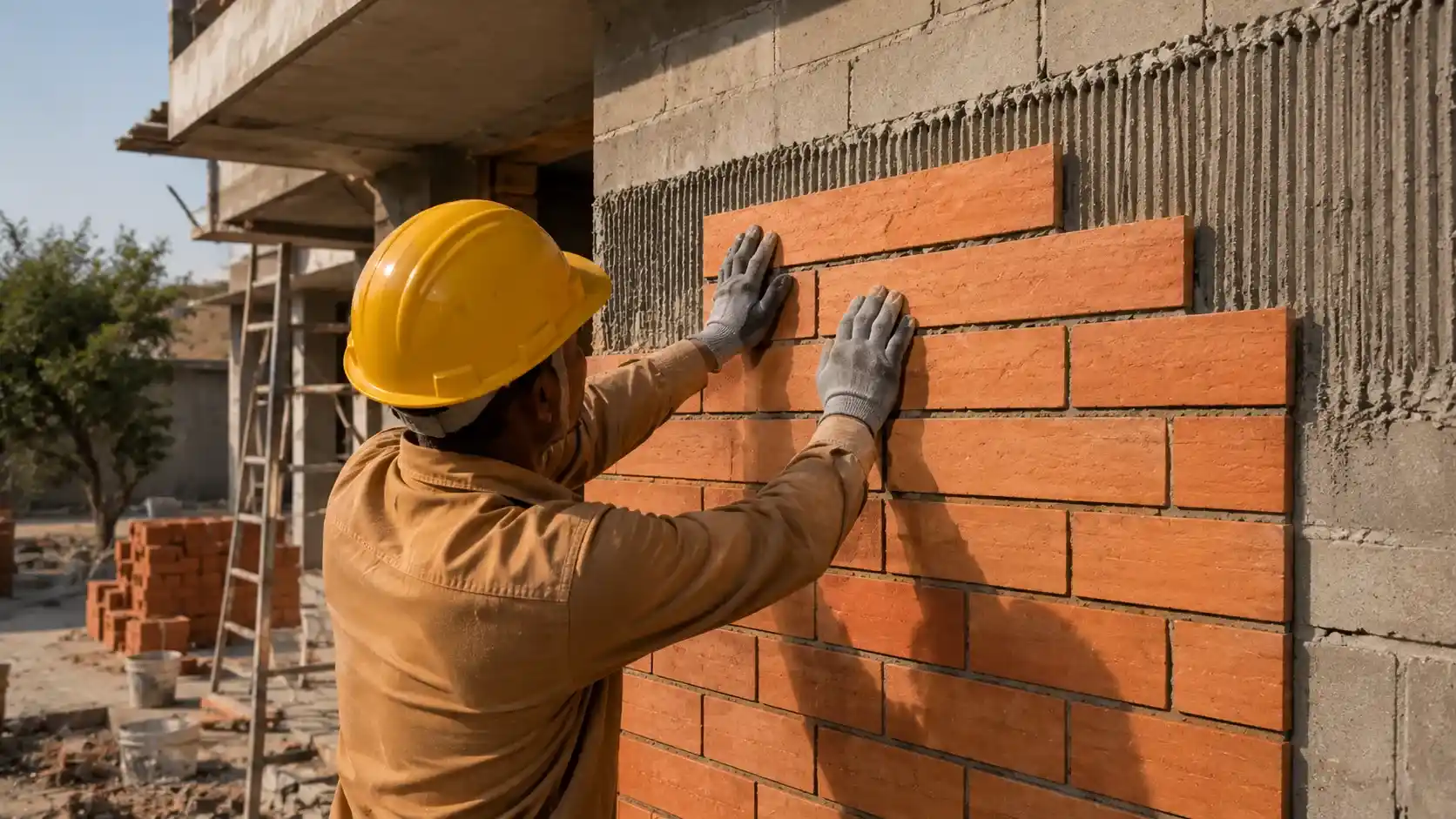
Installation Process: How Cladding Bricks Are Fixed on Walls
A step-by-step look at what proper cladding brick installation actually involves.
Cladding brick looks straightforward once it’s finished, but the installation process involves several sequential steps that each affect how the finished wall performs over time. Skipping or rushing surface preparation, for instance, is one of the most common reasons a cladding installation develops problems within the first year or two, well before the brick itself would normally show any wear.
Understanding the process helps you evaluate whether a contractor’s proposed approach is thorough, and sets realistic expectations for how long the work should take.
The Installation Sequence
- Surface assessment and preparation – The existing wall is checked for structural soundness, cleaned of dust and debris, and any cracks or unevenness are repaired before cladding begins.
- Layout planning and dry fitting – Brick pieces are laid out or dry-fitted to plan the pattern, joints, and how corners and edges will be handled before any adhesive is applied.
- Adhesive or mortar application – A bonding agent suited to the substrate and brick type is applied, following manufacturer specifications for coverage and thickness.
- Brick placement and alignment – Individual pieces are set in place, checked for level and alignment, with spacers used to maintain consistent joint width throughout.
- Grouting – Once the adhesive has cured sufficiently, joints are filled with grout matched to the brick colour and finish.
- Sealing – A weather-appropriate sealant is applied across the finished surface, particularly important for exterior applications facing sun and rain exposure.
- Final inspection and cleanup – The completed wall is checked for consistency, any excess grout or adhesive is cleaned from the brick surface.
Can Cladding Bricks Be Installed by Any Contractor?
While general masonry contractors can often handle the basic mechanics of the work, cladding brick installation has specific requirements around adhesive selection, joint spacing, and sealant application that differ from structural brickwork or standard tiling. A contractor unfamiliar with these specifics can produce a wall that looks acceptable initially but develops issues, cracking joints, water penetration, or uneven weathering, within the first few years.
It’s worth asking a prospective contractor specifically about their experience with the product type you’re using, whether it’s clay brick or thin brick veneer, rather than assuming general masonry experience automatically transfers.
How Long Does Installation Take for an Average Facade?
Timeline depends heavily on wall area, surface condition, and design complexity, walls needing significant surface repair before cladding begins will naturally take longer than a clean, ready substrate. Curing time for adhesive and grout also factors into the total schedule, since rushing these stages to meet a deadline typically compromises the final result. A straightforward, moderate-sized wall with a clean substrate generally moves through the full sequence considerably faster than a large facade with multiple corners, openings, and design detailing.
It’s worth asking your contractor for a realistic timeline based on your specific wall’s condition and design, rather than assuming a generic project duration applies.
Questions to Ask Before Hiring an Installer
- What experience do you have specifically with this brick product type?
- What adhesive and sealant brands do you use, and are they suited to this application?
- How do you handle surface repair if the existing wall isn’t perfectly even?
- What’s your process for corners, openings, and other detailing?
- What warranty do you offer on the installation itself, separate from the material warranty?
Choosing the Right Product Before Installation
A smooth installation starts with choosing the right product for your application, whether that’s interior cladding brick, exterior-rated exterior tiles, or a concrete brick cladding option. Reviewing the full product range before finalising your installer’s scope of work ensures the material and installation plan are properly matched from the start.
Frequently Asked Questions
Can cladding bricks be installed by any contractor?
General masonry contractors can often handle the basic work, but cladding brick has specific adhesive and joint requirements. Ask about experience with the specific product type before hiring.
How long does installation take for an average facade?
Timeline depends on wall area, surface condition, and design complexity, with adhesive and grout curing time also factored into the total schedule.
What happens if the existing wall isn’t perfectly even?
Surface repair and levelling is done during the preparation stage before cladding begins, since installing over an uneven or unsound wall compromises the final result.
Why is dry fitting done before applying adhesive?
It allows the pattern, joints, and corner handling to be planned and adjusted before any permanent adhesive is applied, avoiding costly mistakes.
Does grout colour matter for the finished look?
Yes, grout colour is typically matched to the brick’s tone and finish, and it noticeably affects how the pattern reads once complete.
Should sealant be applied immediately after grouting?
Sealant is applied after the grout has cured sufficiently, following manufacturer guidance on timing to ensure proper adhesion.
What warranty should I expect on installation work?
This varies by installer, but it’s worth requesting a written warranty on the installation separate from the material manufacturer’s warranty.
Does rushing the installation timeline cause problems later?
Yes, rushing curing times for adhesive and grout typically compromises the final bond strength and weather resistance of the installation.
Can installation happen during monsoon season?
It’s generally best avoided or carefully managed, since adhesive curing and sealant application both perform better in dry conditions.
Get Your Installation Right From the Start
Proper preparation, adhesive selection, and sealing determine how well a cladding brick wall performs for decades.
Browse the full product range or get in touch to discuss your installation.